

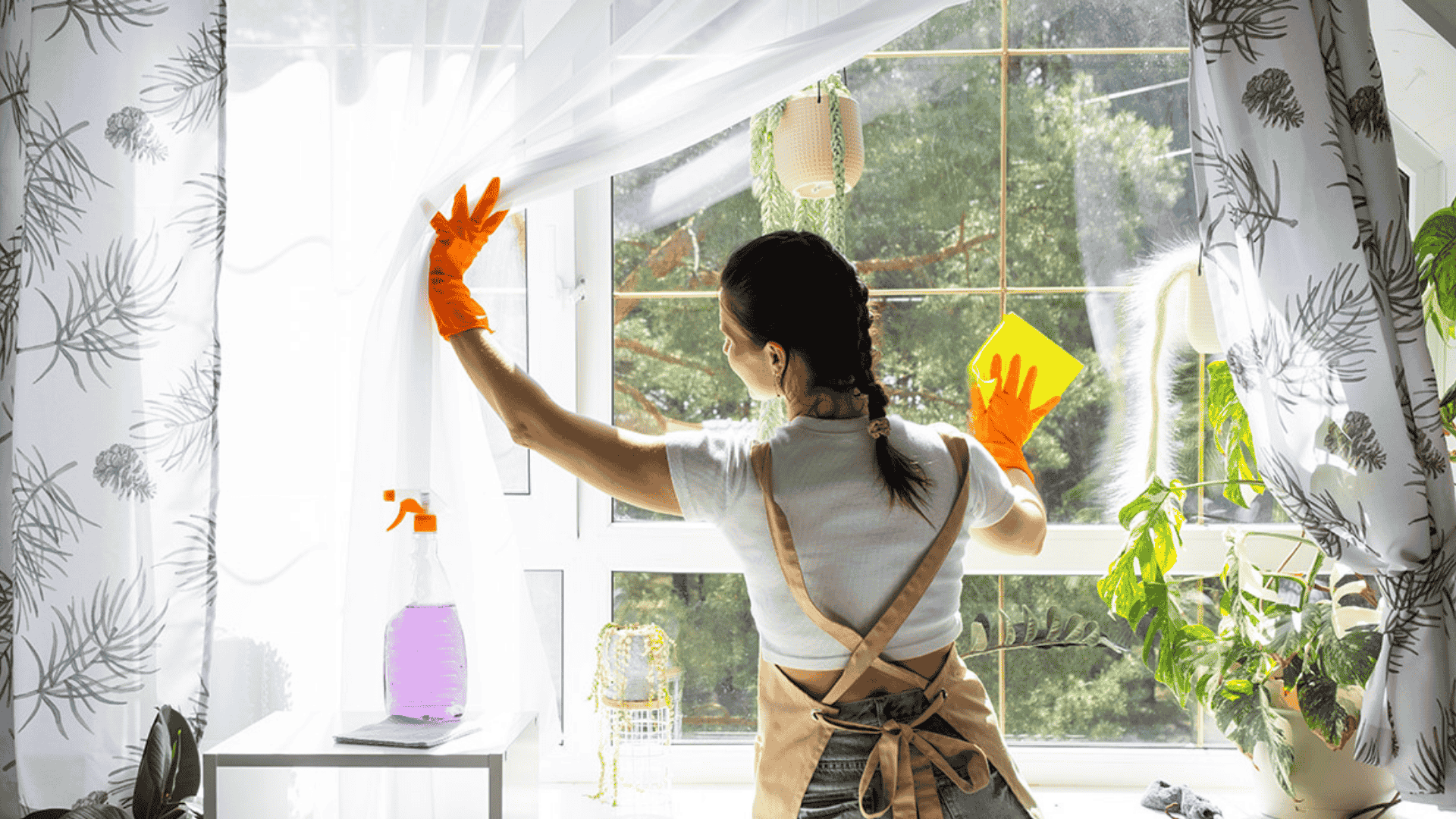
Spring in the Blue Ridge mountains is beautiful, but for the millions of allergy sufferers in the Asheville area, it can also be miserable. What many people do not realize is that the outdoor pollen you cannot control has a way of following you indoors, embedding itself in every soft surface, duct vent, and dusty corner of your home. The good news is that thorough cleaning is one of the most effective tools you have for reducing indoor allergen exposure during allergy season in Western North Carolina.
How Outdoor Pollen Becomes an Indoor Problem
Here is where things get personal. Every time you open a window on a warm April morning, crack the door to let the dog in, or walk inside without changing clothes, you are carrying pollen into your home. It settles onto upholstered furniture, burrows into carpet fibers, clings to curtains, and coats the surfaces of vents and ceiling fans. Once inside, it mixes with other indoor allergens to create a concentrated exposure environment.
The most common indoor allergens WNC homeowners deal with during allergy season include:
- Pollen tracked in from outdoors (particularly fine-particle oak, birch, and maple pollen)
- Dust mites, which thrive in bedding, upholstered furniture, and carpeted areas
- Mold spores, which are especially prevalent in mountain homes due to the region's humidity and shaded, wooded lots
- Pet dander, which clings to soft surfaces and circulates through HVAC systems
- Volatile organic compounds and residues from conventional cleaning products that can irritate already-sensitized airways
The combination of these indoor allergens and the heavy pollen season outside is what makes spring in WNC especially hard on allergy sufferers. Reducing your indoor exposure requires a systematic approach to cleaning, not just a quick surface wipe-down.
Spring Allergy Cleaning Tips: A Room-by-Room Strategy
A clean home really can reduce allergy symptoms during pollen season. The key is focusing on the right surfaces, in the right order, with the right tools. Here is a practical approach designed for Asheville and WNC mountain homes.
Bedrooms: Your Most Important Room
You spend roughly a third of your life in your bedroom, which makes it the highest-priority space for allergen control.
- Wash bedding weekly in hot water (130°F or higher) to kill dust mites, which are a leading trigger for indoor allergy symptoms
- Encase mattresses and pillows in allergen-proof covers if you have not already
- Vacuum mattress surfaces during each bedding change, using a vacuum with a HEPA filter
- Dust ceiling fan blades before vacuuming the floor, so any fallen particles are picked up
- Wipe down window sills thoroughly, as these are prime landing zones for pollen that drifts in around window seals
Living Areas: Tackling Soft Surfaces
Sofas, rugs, drapes, and throw pillows are essentially pollen and dust mite traps. During peak allergy season, these surfaces need more frequent attention than usual.
- Vacuum upholstered furniture weekly using a HEPA-filter vacuum
- Launder removable cushion covers and throw blankets every two weeks
- Clean and vacuum blinds and drapes rather than just dusting them
- Wipe down hard surfaces including baseboards, shelving, and door frames with a damp microfiber cloth rather than a dry duster, which simply redistributes particles into the air
The Kitchen and Bathrooms: Mold Prevention Matters
Mold spores are a significant year-round allergen in WNC, and spring's rain and humidity make them worse. Kitchens and bathrooms are the most common breeding grounds.
- Scrub tile grout, tub surrounds, and sink areas with appropriate non-toxic cleaners
- Ensure bathroom exhaust fans are functioning and run them during and after showers
- Check under sinks for any moisture or early mold development
- Clean the refrigerator drip tray regularly, as it can harbor mold growth
Vents, Fans, and Air Circulation
Your HVAC system can either be your best ally or your worst enemy during allergy season. If your ducts and filters are dirty, the system actively circulates allergens throughout your home.
- Replace HVAC filters at the start of spring and check them monthly during peak season
- Use MERV 11 or higher rated filters, which capture fine particles including pollen and dust mite debris
- Wipe down all vent covers to remove accumulated dust before the system runs heavily
- Clean ceiling fan blades at the beginning of the season; they collect significant pollen and dust during the winter months when they are not running
The Tool Difference: HEPA Vacuums and Microfiber
Not all cleaning tools are created equal when it comes to allergen removal. Standard vacuum cleaners without HEPA filtration can actually release fine particles back into the air as they run, making allergen levels temporarily worse rather than better. Dry dusting with cotton cloths has the same problem: it pushes particles around rather than capturing them.
Microfiber cloths and HEPA-filter vacuums work differently. Microfiber's densely woven structure traps particles rather than spreading them, and HEPA filtration captures particles as small as 0.3 microns, well within the size range of pollen grains and dust mite debris.
This is one of the core reasons why professional cleaning, done with the right equipment, offers a level of allergen reduction that most DIY routines simply cannot match. At Greenlife Professional Cleaning, we use HEPA-filter vacuums and microfiber cloths throughout every cleaning visit, making our services a meaningful tool for Asheville-area residents managing spring allergy cleaning tips that actually work.
Professional Cleaning for Allergies
A professional cleaning visit during allergy season does more than make your home look tidy. When done correctly, it removes the embedded allergens that accumulate in areas most people do not clean regularly, including ceiling fan blades, interior vent covers, window sills, baseboards, and the tops of door frames.
Our residential cleaning services are designed to address these high-accumulation zones on every visit, not just during an annual deep clean. For households with allergy sufferers, we recommend a regular cleaning schedule (weekly or biweekly) during the February through June pollen window to keep indoor allergen levels from building up between visits.
We also use eco-friendly, non-toxic cleaning solutions throughout your home. This matters for allergy sufferers because many conventional cleaning products contain fragrances, VOCs, and harsh chemicals that can irritate sensitive airways even as they clean. Our eco-friendly approach means you are not trading one irritant for another.
If you have questions about what our services include or want to discuss a customized cleaning plan for your household, contact us for a free estimate.
Simple Daily Habits That Amplify Your Cleaning Efforts
Even the most thorough cleaning schedule works best when paired with smart daily habits during pollen season. Consider the following:
- Leave shoes at the door to prevent tracking pollen across floors and into carpeted areas
- Change clothes after spending time outdoors on high pollen days, particularly after yard work or hiking
- Shower before bed during peak allergy season to rinse pollen from hair and skin before it transfers to pillowcases
- Keep windows closed on high-pollen days and use air conditioning for ventilation instead
- Check daily pollen counts for the Asheville area before planning outdoor activities; pollen levels are typically highest in the morning hours
These habits do not replace regular cleaning, but they significantly slow the rate at which pollen re-enters your home between cleaning sessions.
FAQ
When does allergy season start in Asheville and WNC?
In the Asheville area, spring allergy season typically begins in late February or early March, when temperatures start to warm and cedar and juniper trees begin releasing pollen. April is generally the peak month for tree pollen, with oak, birch, and maple being among the most significant triggers. Symptoms can persist through June for many people, and with climate change extending the growing season, local allergists have noted that the window of significant pollen exposure is wider than it was even a decade ago.
What are the worst pollen types for mountain home residents in WNC?
The most allergenic spring pollen types in Western North Carolina include oak, birch, maple, cedar, and elm. These trees produce fine, lightweight pollen grains that travel far on mountain breezes and are easily inhaled. Pine pollen, while highly visible as the yellow dust that coats cars and decks, is generally not a major cause of allergic reactions due to its larger grain size.
How do I reduce allergens in my home during pollen season?
The most effective approach combines regular cleaning with smart habits. Focus on vacuuming with a HEPA-filter vacuum, washing bedding weekly in hot water, dusting with damp microfiber cloths, cleaning vents and ceiling fans at the start of the season, and keeping windows closed on high-pollen days. Replacing HVAC filters with a higher-rated MERV filter at the beginning of spring also makes a significant difference in the air quality inside your home.
Does professional cleaning really help with allergy symptoms?
Professional cleaning can meaningfully reduce indoor allergen levels, particularly when the service uses HEPA-filter vacuums and microfiber cloths rather than conventional tools that redistribute particles. Regular professional cleaning reaches areas that are easy to overlook in a DIY routine, including ceiling fan blades, vent covers, baseboards, and window sills, all of which accumulate significant pollen and dust during allergy season.
Is it safe to use regular cleaning products if I have allergies?
Many conventional cleaning products contain fragrances and chemical compounds that can irritate allergic airways, even as they remove dirt and pollen. For households with allergy sufferers, eco-friendly and non-toxic cleaning solutions are a better choice. They clean effectively without introducing additional airborne irritants.
How often should I clean during spring allergy season in WNC?
During the February through June pollen season, most allergy sufferers in the Asheville area benefit from more frequent cleaning than they might do the rest of the year. Vacuuming and surface wiping at least once or twice a week, with more thorough attention to bedding and vents, helps prevent pollen accumulation from reaching levels that significantly worsen indoor symptoms.
Take Control of Your Indoor Air Quality This Spring
Spring in Western North Carolina is one of the most beautiful seasons this part of the world has to offer. You should be able to enjoy it without dreading what comes through your front door. With the right cleaning strategy, the right tools, and a little professional support, you can significantly reduce the allergen load inside your home and get real relief during allergy season in Western North Carolina.
Our team at Greenlife Professional Cleaning has been serving Asheville and the surrounding communities for over 13 years. We are locally owned, licensed, bonded, and insured, and we bring professional-grade equipment and eco-friendly products to every visit. If spring allergy cleaning feels like more than you want to tackle alone, we are here to help.
Contact us today for a free estimate and let us help you make your home a place where you can actually breathe easier this spring.