

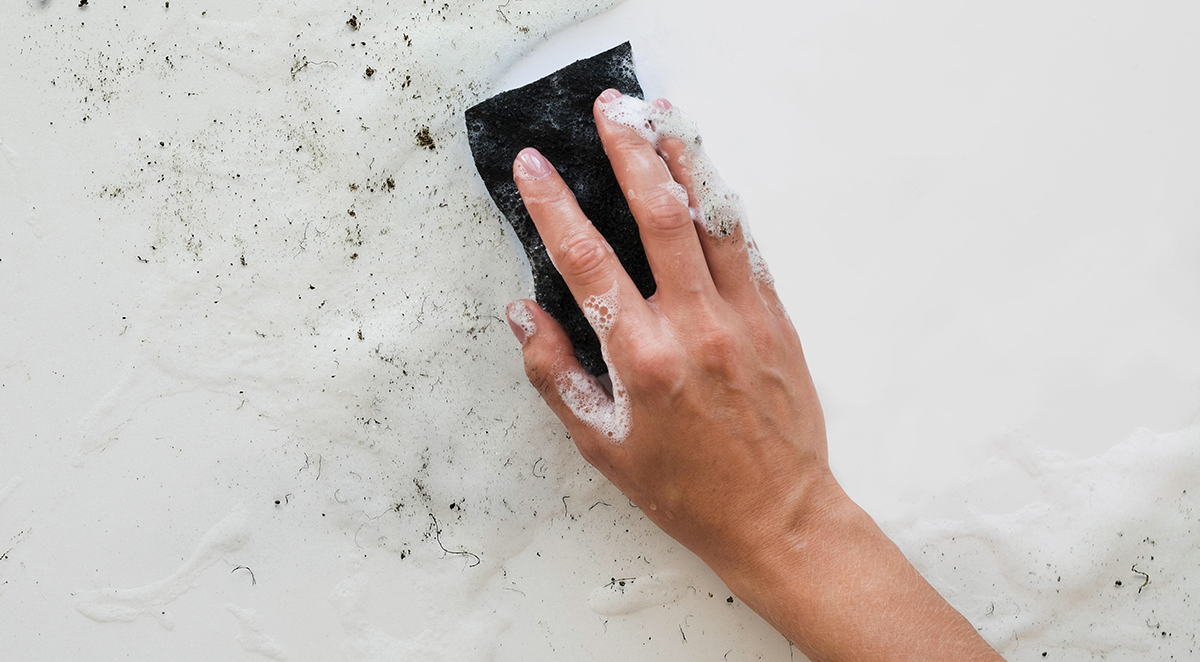
Asheville sits in a temperate rainforest region, and the same moisture that keeps our forests green can settle into bathrooms, basements, and closets. Mold and mildew are not just cosmetic problems. They can affect indoor air quality, trigger allergies, and slowly damage the surfaces of your home. The good news is that prevention is very achievable with the right habits and a little local know-how.
Quick Summary
- Asheville's mountain humidity and frequent rain create ideal conditions for mold and mildew, especially from late spring through early fall.
- Controlling indoor humidity, improving airflow, and drying wet areas quickly are the three most important prevention strategies.
- Bathrooms, basements, and crawl spaces are the highest-risk zones in most Western North Carolina homes.
- Simple home remedies like white vinegar can treat small surface spots, but they have limits.
- Routine professional cleaning helps catch moisture problems early and keeps high-risk areas consistently dry and sanitized.
Why Asheville Homes Are Especially Prone to Mold
Mold spores are everywhere in the natural environment, but they only become a problem when they find moisture and a food source. In our region, both are easy to find.
Western North Carolina experiences high annual rainfall and elevated humidity, particularly during warm summer months. When outdoor moisture combines with the cooler interior surfaces of mountain homes, condensation forms. That condensation is exactly what mold and mildew need to settle and spread.
Several local factors raise the risk for homeowners here:
- Elevation and temperature swings that cause condensation on windows, walls, and pipes.
- Older housing stock in many Asheville neighborhoods, where ventilation may be limited.
- Crawl spaces and basements built into sloped, wooded lots that hold ground moisture.
- Tree cover and shade that keep exterior walls and roofs damp longer after rain.
Mold can begin growing on a damp surface in as little as 24 to 48 hours, so addressing moisture quickly matters more than almost anything else.
Understand the Difference Between Mold and Mildew
People often use these terms interchangeably, but knowing the difference helps you respond correctly.
Mildew is a surface fungus that usually appears flat, powdery, and white or gray. It tends to show up on damp surfaces like shower tile, window sills, and fabric. Because it stays on the surface, mildew is generally easier to clean.
Mold tends to be darker, often green, black, or brown, and it can grow into the material it lands on. Mold can penetrate drywall, wood, and insulation, which makes it harder to remove and more likely to return if the underlying moisture is not corrected.
Both thrive in the same conditions, so your prevention plan works against both at the same time.
Control Humidity to Stop Mold Growth in Asheville NC
Since moisture is the root cause, humidity control is the foundation of any mold prevention plan in our climate. Indoor humidity should ideally stay between 30 and 50 percent.
Here are practical ways to keep humidity in a healthy range:
- Run a dehumidifier in basements, crawl spaces, and any room that feels damp, especially during summer.
- Use exhaust fans in bathrooms and kitchens every time you shower or cook, and let them run for at least 20 minutes afterward.
- Open windows on dry days to encourage cross-ventilation and move stale, moist air out.
- Monitor with a hygrometer, an inexpensive tool that shows your indoor humidity level so you can react before mold appears.
- Service your HVAC system regularly, since a properly working air conditioner removes a surprising amount of moisture from indoor air.
Paying attention to humidity mold cleaning in Asheville is often the single most effective step a homeowner can take, because it removes the condition mold needs to survive.
Bathroom Mold Prevention Tips
Bathrooms are the most common place mold and mildew appear, and for good reason. Warm water, steam, and limited airflow create a perfect environment several times a day.
A few consistent habits make a major difference in this high-risk room:
- Squeegee shower walls and glass doors after each use to remove standing water.
- Hang towels and bath mats so they dry completely between uses.
- Wash shower curtains and liners regularly, and replace liners that show buildup.
- Fix leaky faucets and running toilets promptly, since slow leaks feed hidden growth.
- Keep grout sealed and caulk in good repair to prevent water from seeping behind tile.
If you already notice early mildew spots in the bathroom, treating them quickly stops them from spreading into harder-to-clean areas.
Target the Other High-Risk Areas in Mountain Homes
Mildew prevention in mountain homes goes well beyond the bathroom. Moisture collects in predictable places, and checking them on a routine basis keeps small issues from becoming big ones.
Pay close attention to these zones:
- Basements and crawl spaces, where ground moisture and poor airflow combine. Consider a vapor barrier and keep these areas as dry as possible.
- Closets and storage areas, especially those against exterior walls. Avoid overpacking them so air can circulate.
- Window frames and sills, which collect condensation during cold months.
- Behind large furniture and appliances, where airflow is restricted and spills can go unnoticed.
- Laundry rooms, where washers, dryers, and damp clothing add humidity.
For homeowners who share their space with pets, moisture from water bowls, wet paws, and bedding can add to the problem. Our guide on maintaining a clean home with pets offers helpful strategies that pair well with mold prevention.
Cleaning to Prevent Mold in Western North Carolina
Regular cleaning is one of the best defenses against mold, because it removes the dust, soap scum, and organic residue that mold feeds on. Consistent attention to damp areas keeps surfaces from ever reaching the point where spores can take hold.
Build these cleaning habits into your routine:
- Wipe down wet surfaces in kitchens and bathrooms daily.
- Clean and dry refrigerator drip pans and around appliances monthly.
- Vacuum with a HEPA filter to capture spores and allergens before they settle.
- Launder soft items like curtains, slipcovers, and rugs on a regular schedule.
- Inspect for leaks under sinks and around windows during each deep clean.
Choosing eco-friendly products keeps your home healthy without introducing harsh chemicals into the air. You can find more natural cleaning ideas in our eco-friendly home cleaning tips, which fit perfectly with a mold-prevention mindset.
Mold and Mildew Home Remedies
When you spot a small patch of surface mildew, several natural remedies can help before it spreads.
White vinegar is the most popular option. Its mild acidity can kill many common household molds on hard, non-porous surfaces. To use it, spray undiluted white vinegar on the area, let it sit for about an hour, then scrub gently and dry the surface thoroughly. Baking soda is a useful follow-up for stubborn stains and helps absorb lingering moisture.
It is important to understand the limits of these remedies. Vinegar does not kill every species of mold, and it cannot reach growth that has penetrated deep into porous materials like drywall or wood. We cover the details, including when vinegar works and when it does not, in our companion article, Will Cleaning With Vinegar Kill Mold?
A reliable rule of thumb comes from the Environmental Protection Agency, which recommends professional help when mold covers an area larger than roughly 10 square feet, or about a 3-foot by 3-foot patch. Persistent musty odors, recurring growth, or mold tied to a leak are also signs that a surface remedy alone will not solve the problem.
How Professional Cleaning Supports Mold Prevention
While daily habits go a long way, professional mold prevention cleaning adds an extra layer of protection that many busy Asheville households appreciate. A trained team cleans consistently, reaches the spots that are easy to overlook, and helps spot early moisture issues before they turn into something larger.
At Greenlife Professional Cleaning, our team uses eco-friendly cleaning solutions and HEPA-filtered equipment to capture fine particles like spores and allergens. Regular residential cleaning keeps high-risk areas like bathrooms, kitchens, and baseboards sanitized and dry on a dependable schedule. Routine attention also means a fresh set of eyes on your home, so a small leak under the sink or condensation on a window frame gets noticed sooner rather than later.
Professional cleaning is not a substitute for mold remediation in severe cases, but as part of a prevention plan it helps you stay ahead of the conditions that allow mold to grow in the first place.
Frequently Asked Questions
How do I know if I have mold or just mildew in my Asheville home?
Mildew is usually flat, powdery, and light in color, and it stays on the surface. Mold is often darker, raised, and can grow into materials like drywall or wood. If a spot returns quickly after cleaning or comes with a musty smell, it is more likely mold tied to a moisture source.
What humidity level prevents mold growth?
Keeping indoor humidity between 30 and 50 percent makes it very difficult for mold and mildew to thrive. A simple hygrometer helps you track levels, and a dehumidifier is especially useful during humid Asheville summers.
Does cleaning with vinegar really stop mold?
White vinegar can kill many common molds on small, hard surfaces and is a safer alternative to harsh chemicals. However, it does not work on every species and cannot reach mold growing deep inside porous materials. For larger or recurring problems, surface remedies are not enough.
How often should I clean to prevent mold in Western North Carolina?
Damp areas like bathrooms and kitchens benefit from daily wipe-downs, while a thorough deep clean every few weeks helps remove the residue mold feeds on. Many homeowners choose weekly or biweekly professional cleaning to keep high-risk areas consistently maintained.
When should I call a professional?
Reach out for professional help when mold covers more than about 10 square feet, keeps coming back, is linked to a persistent leak, or is paired with musty odors and worsening allergy symptoms.
Keep Your Asheville Home Fresh and Healthy
Preventing mold and mildew in our beautiful but humid corner of North Carolina comes down to managing moisture, keeping air moving, and cleaning consistently. Small, steady habits protect your home far better than reacting after growth appears, and they help preserve both your indoor air quality and the surfaces you have invested in.
If you would like a partner in keeping your home dry, clean, and healthy year-round, our local team is here to help. Contact Greenlife Professional Cleaning today for a free estimate and let us help you stay ahead of Asheville's humidity.